
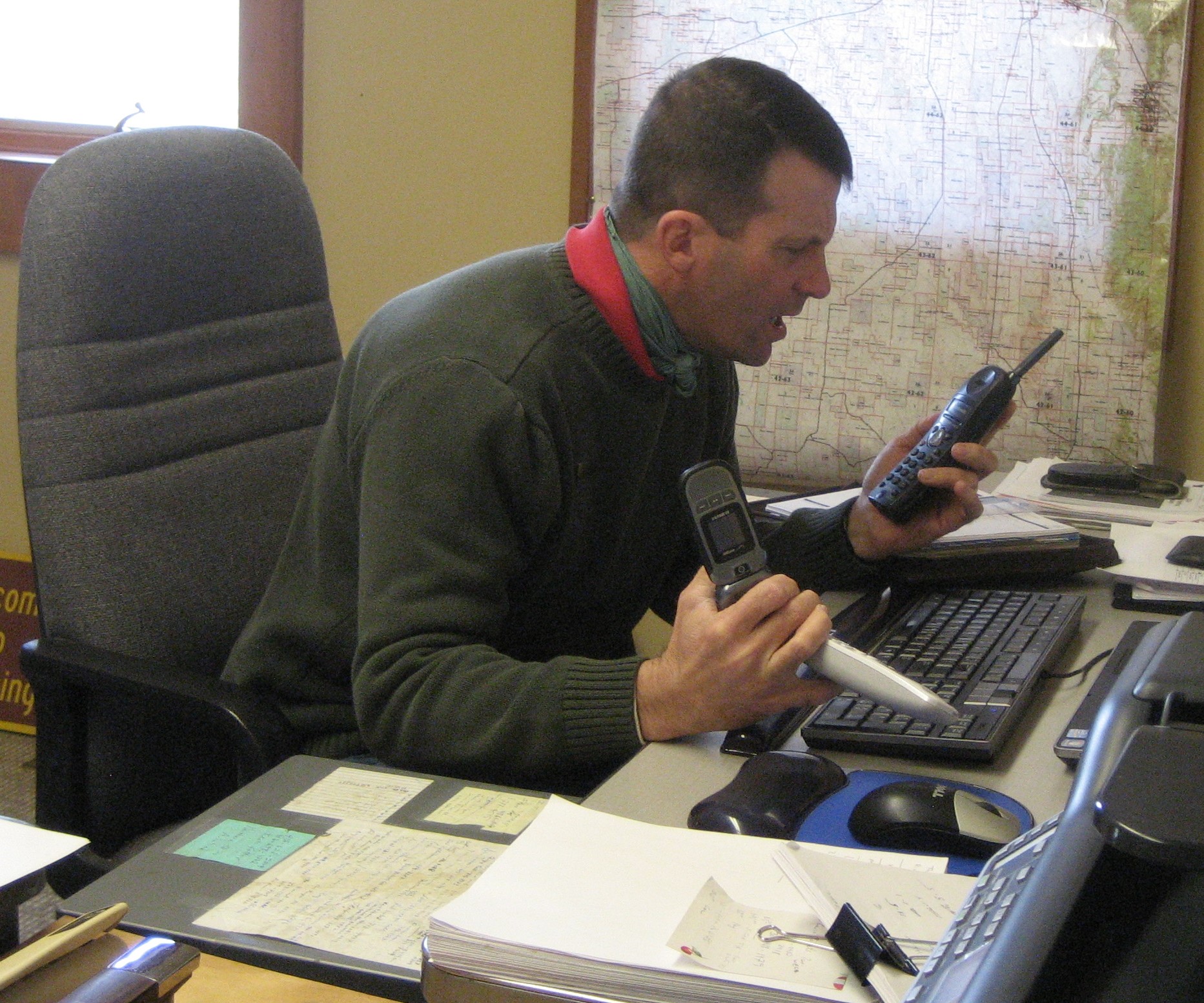
Several decades ago, outdoor writers began advising hunters to call local wildlife biologists or game wardens to get on the ground information for hunt planning. As a retired wildlife professional who fielded somewhere north of 10,000 of these calls, I want you to know the secret to getting the best information. It’s not rocket science – it’s about being polite, prepared and professional.
Making the Call
Most game wardens and biologists work from home or an office. However, thanks to call forwarding, you might reach them on patrol, conducting a wildlife survey, or ducking out of a meeting.

- Respect Work Schedules: Consider the day and time you call. Stick to regular business hours on weekdays. No one wants a “business call” at 6 PM on Sunday.
- The Greeting: This is key. Briefly state your name and why you’re calling. Importantly, ask, “Is this a good time to talk, or should I call back?”
- Courtesy Counts: You aren’t their friend or coworker. Use titles, for example, Warden Bucksnort, Ms. Elkslayer, Officer Goodshot, etc. “Ma’am” and “Sir” always work!
- No Answer? Leave a message speaking at an easy pace. State your name and phone number and repeat the number. Then in very few words, tell why you are calling. Give them a couple of weeks to call you back, and don’t ask for an email response – emails are extra work and they can get filtered.
Be Brief and Specific
Wildlife professionals have a lot on their plate and fielding informational calls is just one of many duties. Small talk is nice, but time talking to you on the phone takes them away from work they have to get done.
- Resume Not Required: Skip the hunting stories and personal tales about the state or species you are calling about.
- What’s the Point? Get right to your question(s) and have a list so you can move through them and cover what you need to.
- Watch the Clock: If your conversation lasts more than five or ten minutes, especially if you are doing more talking than listening, ask if it is OK to stay on the line, or if you should call back.
Wildlife Professionals Are Not Travel Agents or Outfitters

Stick to questions that only the warden or biologist can answer. Don’t ask for recommendations on motels and restaurants, or specific outfitters and meat processors. As government employees, they shouldn’t show favoritism or “advertise” for businesses – asking them to do so puts them in an awkward position.
“Hotspot” Myth
In the age of the internet and cellphone apps like OnX Maps and Gaia, there are no “sleeper spots.”
- Be Realistic: With only so many places to hunt, it is about impossible for the agency person to send you a unique place. If he or she gives you some suggestions, you can bet you’re not the only person they’ve told.
- Define Your Hunt: Instead of asking, “Where can I go and have a good chance of harvesting a buck?” – Tell them what kind of hunt you can honestly tackle. Are you willing to pay an access fee? Is an outfitter a possible consideration? Is a DYI public land hunt your only option? Are you a gonzo marathoner who can hike in ten miles, or do you actually need to stay pretty close to your truck?
- Private Land Realities: Finding access to hunt private land has never been tougher. While some offices keep lists of landowners seeking hunters due to crop damage or wanting paying hunters, don’t get angry if they can’t find you a spot. Biologists and wardens manage the wildlife, not the properties, and it’s likely he or she is just as frustrated as you when it comes to finding private land to hunt. Hint: Never say, “If there’s no place to hunt, why do you even sell licenses?”

Do Some Homework First
Before you pick up the phone, find out if the person you are calling is responsible for what you are interested in. The internet is a heck of a place to start before the telephone keypad. Doing some upfront work shows your serious and value their time. Save your call time for only what the local expert can answer.
- Rules and Regulations: For questions about open and closed roads, ATV stickers, or places to camp etc., call the agency responsible, such as the Forest Service, Office of State Lands, State Parks Department, Bureau of Land Management (BLM), etc. The same goes for seeking digital and paper maps or regulations.
- Property Info: Want to know who owns a piece of land or is the contact for a ranch listed as “Big Bucks and Bulls LLC?” – get ahold of the County Assessor.
- The Essentials: Don’t ask about overly general things, or things that can be easily answered by doing a little reading. You need not ask the game warden what the weather is like during hunting season, or what a basic law, like legal shooting hours, is. Now, if you need clarification about a game law or regulation, do ask!
“Don’t Even Ask” List

There are some things that you flat shouldn’t ask or seek information about.
- Personal Hunting Spots: Never ask, “Where do you hunt?” – “Where can I find a 30-inch mule deer?” or “Can I expect to see a 350 bull?” If they had a waypoint for a trophy, they’d be hunting there themselves!
- Speaking of Trophies: It is fine to ask about general trophy quality, but remember that a “trophy” means something different to just about everyone. Be realistic, even in zones managed for “trophy hunting,” the odds of finding a Boone & Crockett critter are low – no matter what you may see or read.
- Not an Administrator: Field staff normally don’t handle questions about licensing, problems with applications, refunds, website glitches, draw odds, and the like. For those things call the agency’s headquarters or a regional office. You don’t want to be responsible for a “Hey, not my job!” response.
Trust and Respect
The men and women you may be calling are not going to intentionally sell you a lemon. Most really want to help you and will do their level best.
- Don’t “Double Call”: You won’t help yourself calling different wardens or biologists with the same question to “verify” an answer, or get one you’d prefer to hear. If you follow up with someone else, be transparent about it. And, by the way, those folks do talk to each other about the calls they get.
- Skip the Complaints: Don’t use your call to vent about seasons and regulations, or whatever. If you have concerns or questions about why things are the way they are, super. Wildlife is a public trust and the person you’ve called is partially responsible to you as a “trustee” of the wildlife. But, be respectful and listen. Courteous and thoughtful conversations are wonderful. Consider what they’ve told you and respond, avoiding inflammatory language. Sometimes things are learned on both sides of the call, if people treat each other with deference and are willing to honestly consider “the other side.”

Closing the Call
When your conversation wraps, up be gracious and thank the person who tried to help you, both for their time and answers – even if they couldn’t give you exactly what you wanted.
- Be realistic: Don’t expect they’ll remember you in the future. These folks talk to a ton of hunters every year. Also, don’t figure you’re now their “new friend.” The true professional will treat you well, spend time talking, and help you as best they can. They should make you feel good that you called, but don’t read too much into it.
- No Gifts: While offering to bring local cheese, apples, or whatever as a thank you is thoughtful, it can put the agency person in an awkward position. Same goes with invitations to lunch or a beer. A sincere “thank you” is simply best.

In a Nutshell – If you call a local warden or biologist and rely on respect, preparation and professional courtesy, you may turn a simple phone call into a powerful scouting tool.
One response to “Get the Most from Scouting Calls by:Joe Sandrini”
Great advice!